
Acupuncture for IBS: Chinese Medicine Digestive Support
Do you regularly experience bloating, constipation, loose stools or abdominal discomfort? Perhaps you've been diagnosed with Irritable Bowel Syndrome (IBS) and have tried probiotics or a low FODMAP diet but still don't feel quite right.
Digestive concerns are one of the most common reasons people seek Chinese medicine. Rather than treating everyone with the same diagnosis in the same way, Chinese medicine looks at the underlying pattern contributing to your symptoms so treatment can be tailored to the individual.
Below are seven simple principles that may help support digestive health from a Traditional Chinese Medicine perspective.
Why Chinese Medicine Takes a Different Approach to IBS
The following is generalised TCM (Traditional Chinese Medicine) advice in regards to diet therapy, for more specific advice please speak to your preferred TCM practitioner. I say this because two people with the same condition (say IBS, a cold and flu, constipation, or anything else really) would be treated differently, with different advice, herbs and acupuncture needles according to Chinese medicine. This is because we take you as an individual into account, and as Chinese medicine practitioners, we diagnose the root cause of your disease through pattern manifestation—opposed to name of disease like western medicine. Being treated by a Chinese medicine practitioner means you’re getting a more tailored and individualised approach to your health. This allows treatment recommendations to be tailored to the individual rather than based on a diagnosis alone.
7 Ways to Support Digestion:
1. Eat at regular meal times
2. Drink room-temp or warm water when you wake (never cold)
3. It’s okay not to eat breakfast! Eat when you’re hungry.
4. Consume warm foods (always)
5. Manage stress
6. Herbal Medicine if diet changes aren’t enough
7. Acupuncture treatments to help invigorate the large intestine, and to nourish the digestive system.
HOW TO OPTIMISE DIGESTION:
1. Regular Meal Times
My first piece of advice is super easy to implement. I recommend to eat at regular meal times.
In order to create a health-promoting eating schedule you need to take into account your body’s innate physiological rhythms. The qi of the body moves through the organs and meridians according to the Chinese clock. If I were to recommend particular times to avoid eating it would be during the night and early hours of the morning. This is to ensure the liver is able to work unimpeded by the early stages of digestion (it’s time is between 1 and 3am). One of the Livers important functions is blood purification.
Some people choose to prescribe to one, two, or three meals a day. Any of these options are fine as long as you feel you’re being appropriately nourished, have enough energy and are getting enough nutrients. Regardless of how many meals you choose to eat in a day, be consistent with what time you eat and try to avoid breaking the fast (aka snacking) between meals. If you are getting hungry between meals ask yourself if you’re thirsty, if you ate enough during your meal (and if you didn’t ensure your next meal is appropriately sized), and if you ate sugary foods that left you feeling hungry- in which case you’re programmed to feel hungry but you’re actually not. It is best to avoid foods and drinks with added sugar.
2.Hydration
Upon waking, the body is actually more thirsty than it is hungry. Dehydration occurs during sleep and it is important to appropriately re-hydrate the body before even thinking about food or reaching for your morning coffee.
Coffee is a diuretic and will further dehydrate the body.
It is said that when the body is stiff and the mind is unclear after rest, that the liver wasn’t able to complete its role of purifying the blood. This could reflect over-eating, consumption of too many animal products, alcohol, drugs, improper food combinations, and/or late eating. As a result, a morning elixir, called so after their refreshing and detoxifying qualities is recommended.
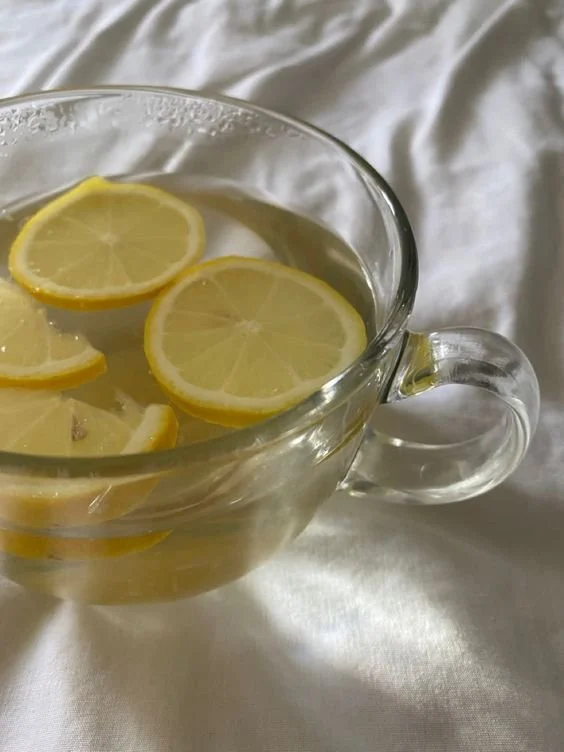
Starting the morning with warm water and lemon juice, or flower teas such as chamomile, or root teas such as dandelion or chicory is an excellent place to start. If this is too complicated just drink room temp or warm water (never cold!).
3. Rest your digestion
It is okay to not eat when you first wake up. Remember step 2? The first thing you should do is rehydrate. The best time to eat of the morning is between 7 and 11am as this is the time of our digestive organs (Stomach & Spleen) have their peak energy. Eat when you feel hungry, preferrably within this time frame.
4. Why Warm Foods Matter in Chinese Medicine
Types of foods you should be eating— now if you’re reading this chances are you have a weak digestion. If this is the case it is incredibly important that you stick to eating purely warm foods to strengthen you digestive system. Eventually, when your digestion is stronger you’ll be able to splurge on ice-cream—but for now avoid it completely!
When I say warm foods, I literally mean if you touch the food and it is warm, it is a warm food. This means avoiding raw, uncooked, cold foods such as smoothies, salads, and sushi. Yes, I know western diet norms suggest these foods to be full of nutrients and vitamins but with your weak digestive system chances are you’re not absorbing the nutrients. Try and stew fruit, bake vegetables, and boil potatoes prior to eating. This helps begins the digestive process by breaking down the enzymes. It also means that you’re changing the property of the food into one that is warm, that your body can absorb better.
Why am I harping on about warm foods? Well, in Chinese Medicine, and Ayurveda for that fact, your digestive system is viewed as a fire. Adding warm food stokes the fire, while adding cold food literally dampens the fire and can put it out. When you’re experiencing digestive complaints it means you digestive fire is weak and needs stoking with warm foods.
The best meals to consume are relatively plain and simple in flavour, and warm in nature. Foods to include in your diet include baked sweet potato, broccoli, brussel sprouts, rice, organic grass-fed bone broth, and small amounts of animal products. Stick to cooking real whole foods and it’ll be hard to get it wrong (just don’t eat them raw!).
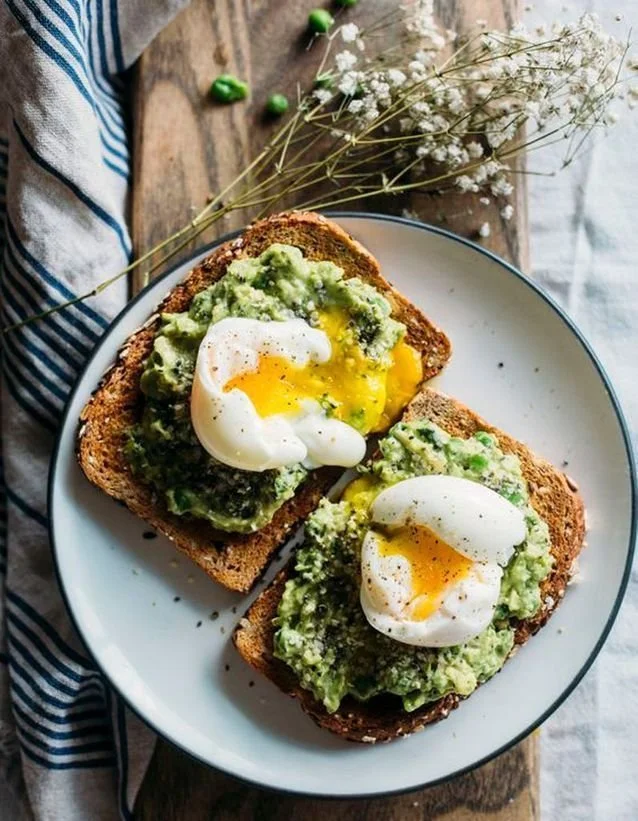
Warm Food Breakfast/Meal Idea: Avocado on sourdough bread with a fried egg.
5. Limit and manage stress.
I’ve talked about stress’ impact on the body many times in my Instagram stories, and I’ll reiterate it again here. Stress can directly affect the body’s ability to absorb and process food. It can limit blood flow to your digestive organs thereby decreasing their ability function.
Being present with your food, not checking your phone and chewing slowly are great ways to decrease stress and increase digestive function.
6. Chinese Herbal Medicine
Using food as medicine is the best way to treat yourself, but if you’re finding you need an extra push to get you on the right path Chinese Herbal Medicine is next. Chinese herbs can be taken in pill form, so no need to gulp down bitter tasting herbs! The beauty of taking herbal medicine is that it is treating the specific pattern causing your digestive woes! This means you see results .
7. Acupuncture
A great adjunct to herbal medicine is acupuncture. It’s especially useful if you experience constipation which is causing physical blockage in the bowels. Specifically placed acupuncture needles can help invigorate your large intestine to enable a complete evacuation. If you tend towards loose stools, acupuncture combined with moxibustion can further strengthen your digestion making you even more receptive to herbal and dietary therapy. Sometimes, if your digestion is so weak this is the first place to start.
Looking for Support with Your Digestion?
Digestive symptoms can be frustrating, particularly when they've been present for a long time or haven't improved with previous treatments.
At Ochre Acupuncture & Wellness, with our degree qualified practitioners, we take the time to understand your individual presentation rather than focusing on a diagnosis alone. Whether you're experiencing bloating, constipation, loose stools or have been diagnosed with IBS, we'll work with you to develop a personalised treatment plan that may include acupuncture, Chinese herbal medicine and dietary recommendations.
If you'd like to learn whether this approach may be appropriate for you, we'd love to support you.